Hamas & Hezbollah in Germany: Assessing the Iran Security Risk Amidst Escalating Tensions
The echoes of conflict in the Middle East resonate far beyond its immediate borders, reaching into the heart of Europe. For Germany, the escalating tensions between Iran, Israel, and the United States have translated into a tangible, albeit "high abstract," security risk. German authorities, particularly the Federal Office for the Protection of the Constitution (Verfassungsschutz), are sounding the alarm, pointing to a persistent presence of Iranian-backed militant groups and state intelligence operations within the country. Understanding the intricacies of this threat is crucial for comprehending the evolving landscape of iran deutschland sicherheit.
With approximately 320,000 people of Iranian origin residing in Germany, about half of whom hold German citizenship, it's vital to draw a clear distinction: the vast majority are law-abiding citizens who actively oppose the Mullah regime and pose no threat. However, embedded within society are networks loyal to Tehran, actively supporting ideologies and organizations deemed hostile to German values and security interests.
The Iranian Regime's Proxy Reach: Hamas and Hezbollah in Germany
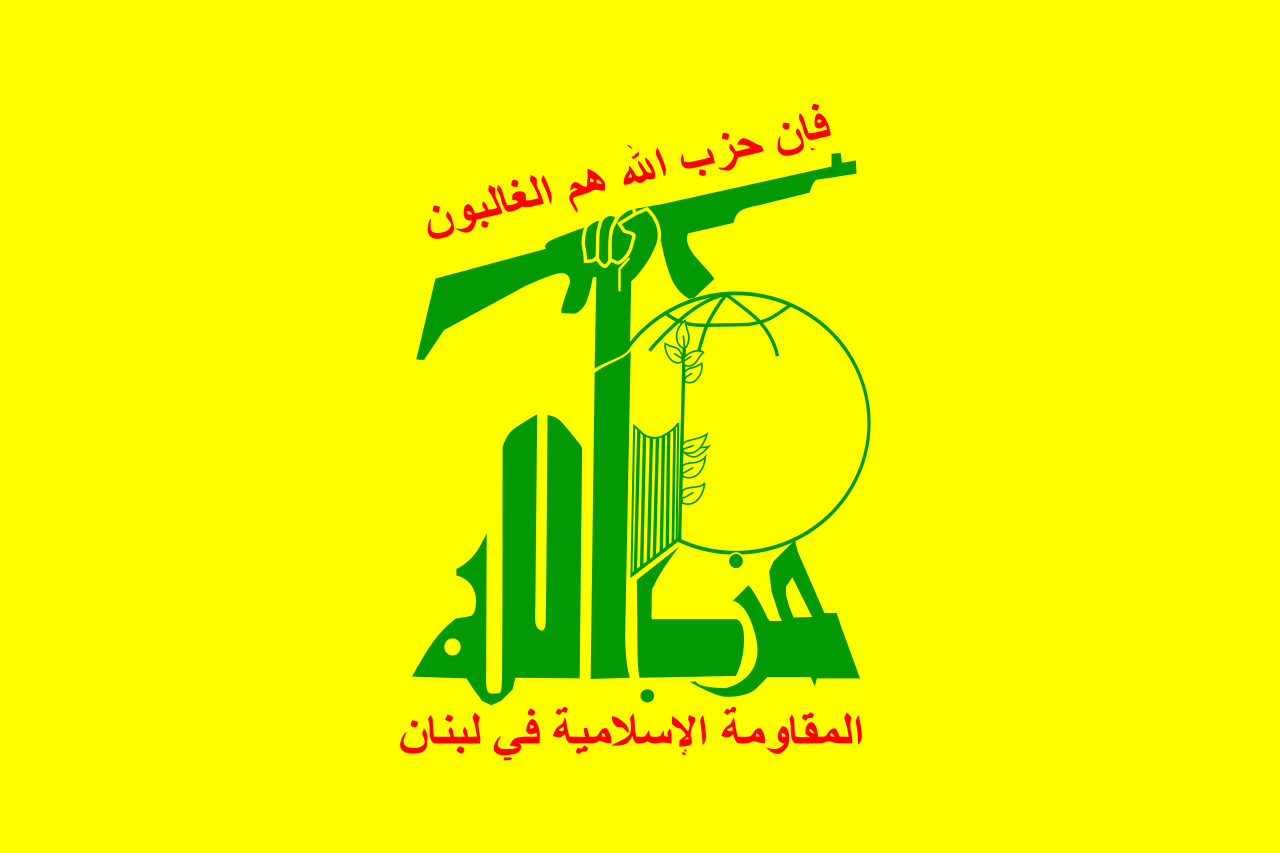
The presence of groups like Hamas and Hezbollah on German soil represents a direct extension of Iran's regional influence. While these groups may not openly brandish weapons on German streets, their operational activities are a significant concern for iran deutschland sicherheit. According to the Verfassungsschutz, Germany is home to an estimated 450 named Hamas supporters and a more substantial 1,250 Hezbollah backers. Berlin alone accounts for 540 individuals identified as violent "Mullah brothers" – a term underscoring their fervent loyalty to the Iranian clerical establishment.
Despite official bans on several associated organizations, evidence suggests that the collection of donations and the recruitment of new members continue under the radar. These activities are not merely ideological expressions; they are critical for sustaining the operational capabilities of these designated terror groups. A situation assessment from the Federal Office for the Protection of the Constitution in October 2025 noted "increased indications of various operational activities by supporters of Hamas or Hezbollah in Germany." These activities can range from logistical support to intelligence gathering, all contributing to the broader Iranian agenda. The profound ideological commitment of these groups, often described by victims of Iranian terror as a "death cult," highlights the gravity of their presence.
The potential for these networks to be activated or to contribute to a destabilizing environment, particularly in response to events in the Middle East, is a primary concern. The German government has significantly ramped up protective measures for Jewish individuals and institutions since October 7, 2023, acknowledging the heightened threat of antisemitic and anti-Israeli sentiment potentially fueled by these groups. For further insights into these networks, consider reading Iran's Shadow: How Mullah Sympathizers Threaten German Security.
Iran's State Apparatus: Intelligence Operations and Espionage on German Soil
Beyond proxy groups, the Iranian state itself maintains a formidable intelligence presence in Germany. The Iranian Revolutionary Guard Corps (IRGC), a powerful and ideologically driven branch of Iran's military, reportedly has around 180 supporters in Germany. Even more concerning is the extensive activity of the Iranian Ministry of Intelligence and Security (MOIS), Iran's primary intelligence agency, which is highly active within the country. Since 2018, German security authorities have initiated 24 criminal proceedings against alleged Iranian agents, a testament to the persistent and pervasive nature of these clandestine operations.
These state-sponsored activities typically involve:
- Surveillance of the Diaspora: Monitoring and intimidating Iranian dissidents and opposition figures living in Germany.
- Espionage: Gathering intelligence on German industries, technologies, and political developments.
- Influence Operations: Attempting to shape public opinion or political decisions in favor of the Iranian regime.
- Planning Attacks: As highlighted by affected Iranian terror victims, there are clear indications that Iran prepares and plans attacks on Jewish representatives and pro-Israel activists, demonstrating the regime's terrorist character.
The threat posed by state-sponsored espionage and potential terror planning underscores the multi-faceted nature of the challenges to iran deutschland sicherheit. These operations are sophisticated, well-resourced, and often leverage diplomatic cover or seemingly innocuous cultural organizations. For a deeper dive into these activities, explore German Security Threat: Iran's Agents and Terror Networks Active.
Safeguarding German Security: Official Responses and Community Protection
The German government faces the complex task of balancing civil liberties with national security. While several Iranian-affiliated organizations have been banned, the clandestine nature of some activities makes complete eradication challenging. The Federal Ministry of the Interior, while declining to comment on specific deliberations regarding further bans, affirms that federal and state security authorities have significantly adapted and reinforced measures to protect Jewish individuals and institutions since October 7, 2023.
Bundesinnenminister Alexander Dobrindt initially stated that Germany's internal security had not "unverändert" (unchanged) been affected by military strikes involving the US and Israel against Iran. However, he swiftly qualified this assessment, stating that the situation "can escalate any day." This cautious stance reflects the inherent volatility of the Middle East conflict and its unpredictable ripple effects on global security, including in Germany.
The broader implications of the regional conflict are also evident in the travel advisories issued by the German Foreign Office. Since February 28, 2026, Israel and the USA have conducted airstrikes against targets in Iran, with Iran retaliating against numerous regional targets. Consequently, airspaces in several states have been closed, and German citizens are explicitly warned against travel to Iran, urged to leave the country due to the risk of arbitrary arrests, and consular services are severely limited. These warnings underscore the severity of the geopolitical climate and its direct impact on German citizens and security considerations.
Practical Implications for Citizens:
- Awareness: Understand that geopolitical conflicts can have domestic security implications.
- Vigilance: Report suspicious activities to relevant authorities, but avoid unwarranted suspicion or prejudice against any community.
- Information: Stay informed about official security assessments from reputable sources like the Verfassungsschutz and federal ministries.
- Travel Safety: Heed official travel warnings and advisories from the Foreign Office when planning international trips, especially to volatile regions.
Conclusion
The presence of Hamas and Hezbollah supporters, coupled with active Iranian state intelligence operations in Germany, represents a persistent and evolving security challenge. While the vast majority of the Iranian diaspora in Germany opposes the Mullah regime, the threat from those loyal to Tehran and its proxies cannot be understated. German security agencies are on high alert, implementing enhanced protection measures and continuously monitoring activities that could destabilize the nation or endanger its citizens, particularly its Jewish community. The situation serves as a stark reminder that global conflicts are increasingly intertwined with domestic security, making vigilance and robust counter-terrorism and intelligence efforts paramount for safeguarding iran deutschland sicherheit.